Choose your language:

FLOWER GARDEN
Garden Flowers, Garden Plants and Types of Flowerswww.Flowers-Gardens.net |
|
Search | Anemone FlowerAnemone
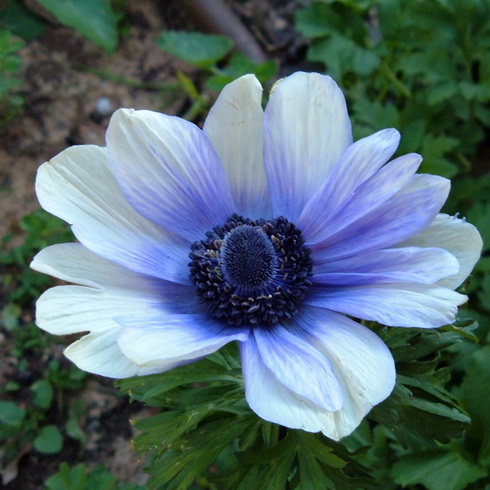
Type: Perennial Flower Species: 120 Height: 60 -100 Growing: Europe, Asia, North America Flowers: White, Purple, Pink, Yellow, Red Kingdom: Plantae Unranked: Magnoliophyta Order: Ranunculales Family: Ranunculaceae Genus: Anemone ANEMONE. There are numerous species of the anemone or windflower. Two of these are British: Pulsatilla or the violet Pasque flower, and Nemorosa, which is the wood anemone. Coronaria, with its poppy-like flowers, white, purple, or scarlet, is an old garden favorite from six to nine inches high; there are also double-flowered sorts. The Alpine blanda flowers from Jan. to April. The Snowdrop anemone or sylvestris is about 18 inches high and blooms in May. Fulgens and hortensis have scarlet or purple flowers. The flower gardener should procure a selected strain of mixed varieties. This will give him a beautiful range of colors and forms, including both singles and doubles The seed is best sown in pans or boxes in a frame in spring. If spring bloom is wanted, tubers ought to be planted in autumn; a succession can be obtained by planting more tubers in spring. Japanese anemones may be planted any time between autumn and spring, and they thrive in most garden soils on a shady or sunny border. The Japanese anemone is among the most beautiful of late - flowering hardy perennials, the white varieties in particular. Apennina is sky-blue, with tuberous roots . The Hepatica type, both single and double forms, is blue . Pron. A-nem’-o-ni. Share in: |
 |
